Heath Street bulky rubbish clearance for Hampstead homes
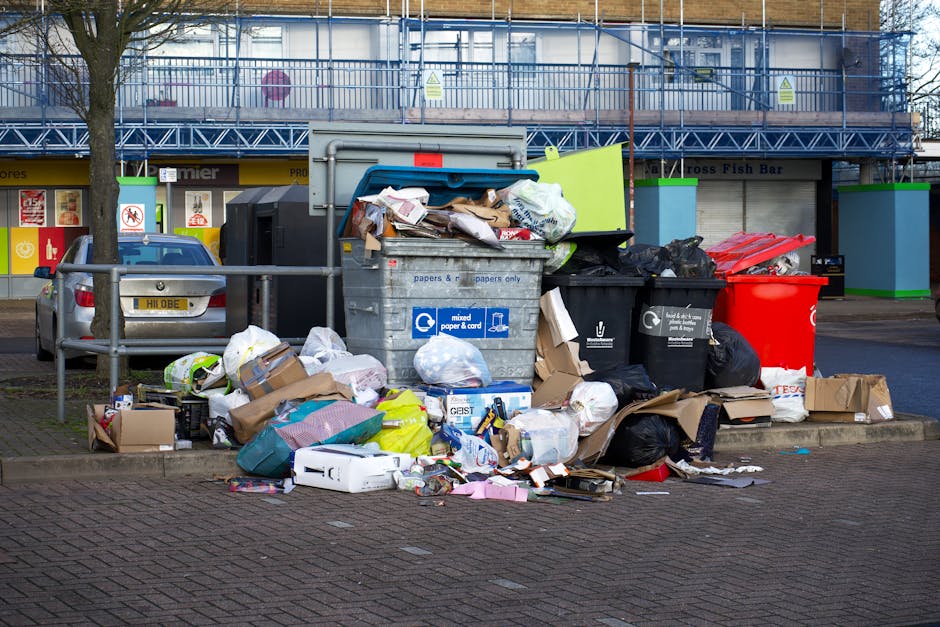
Bulky rubbish has a way of quietly taking over a home. One day it is a broken wardrobe in the hallway, a sagging sofa in the spare room, and a mattress nobody wants to wrestle down the stairs. Then, before you know it, the flat feels cramped and the whole place starts to look more cluttered than lived in. If you are looking for Heath Street bulky rubbish clearance for Hampstead homes, the good news is that the process can be straightforward, tidy, and far less stressful than trying to manage it alone.
This guide explains what bulky rubbish clearance actually involves, how it works in a real Hampstead setting, what to watch out for, and how to make sensible choices for homes on and around Heath Street. Whether you are clearing one awkward item or dealing with a full room of mixed waste, the aim is the same: get it removed safely, responsibly, and without making your day harder than it needs to be.
Expert summary: The best bulky rubbish clearances are the ones planned properly. Sort items in advance, keep access clear, separate anything hazardous, and use a service that handles disposal, recycling, and safety with care. That is the simple version. The slightly less simple version is what this article covers in detail.
Table of Contents
- Why Heath Street bulky rubbish clearance for Hampstead homes Matters
- How Heath Street bulky rubbish clearance for Hampstead homes Works
- Key Benefits and Practical Advantages
- Who This Is For and When It Makes Sense
- Step-by-Step Guidance
- Expert Tips for Better Results
- Common Mistakes to Avoid
- Tools, Resources and Recommendations
- Law, Compliance, Standards, or Best Practice
- Options, Methods, or Comparison Table
- Case Study or Real-World Example
- Practical Checklist
- Conclusion
- Frequently Asked Questions
Why Heath Street bulky rubbish clearance for Hampstead homes Matters
Heath Street and the wider Hampstead area have their own practical quirks. Many homes are period properties, conversions, maisonettes, or flats with narrow staircases, tight entrances, and limited outside space. That means bulky rubbish is not just an inconvenience; it can become a genuine access issue. A worn sofa might block a landing. A broken fridge can make the kitchen awkward to use. A pile of old furniture in a front room can make decorating, moving, or renting the property far more complicated than it should be.
Bulky rubbish also tends to arrive in awkward bursts. A move, renovation, bereavement, loft clear-out, or a simple decision to downsize can all create one large, messy problem at once. And let's face it, most households do not have the time, vehicle space, or muscle to shift a dining table, wardrobe, and appliance in one go. Not really.
For Hampstead homes, clearance matters because the job is about more than lifting items. It is about navigating access carefully, protecting walls and floors, and making sure the waste goes somewhere appropriate. That last part is a big one. Responsible disposal and recycling are not extras; they are part of doing the job properly.
Where bulky items are mixed with general household waste, garden waste, broken appliances, or old furniture, a proper clearance approach keeps the process organised. If the waste includes damaged white goods or mixed household furnishings, you may also find it useful to review fridge and appliance removal and mattress and sofa disposal for item-specific handling.
How Heath Street bulky rubbish clearance for Hampstead homes Works
In simple terms, bulky rubbish clearance is the collection, loading, transport, and disposal of large household items that do not fit normal bins. But in real life it is a bit more considered than that. The process usually starts with an assessment of what needs removing, how much there is, and whether there are any access challenges. A narrow staircase, basement flat, controlled parking, or a shared hallway can all affect how the job is planned.
From there, the clearance team typically agrees the load, arrives at the property, and removes the items from wherever they are stored. That might be the hallway, loft, cellar, garden, garage, or a top-floor flat. Good operators work carefully around the property. They do not want chipped plaster, scuffed skirting, or a gouged wall any more than you do.
After collection, the waste is sorted for reuse, recycling, or disposal. In the UK, responsible waste handling is a normal expectation, not a bonus feature. Reusable furniture, suitable metal components, and other recoverable materials may be separated. Anything that cannot be reused is disposed of through the proper channels.
If your clear-out extends beyond just one or two bulky items, a broader home clearance service or house clearance approach can sometimes be more practical, especially where a room or entire property needs clearing in one visit.
What usually counts as bulky rubbish?
- Old sofas, armchairs, and dining chairs
- Wardrobes, chests of drawers, and shelving
- Mattresses and bed frames
- Broken appliances and white goods
- Carpets, underlay, and large soft furnishings
- Garden furniture and outdoor items
- Boxes of mixed household clutter that are too large for normal bins
If you are unsure whether something counts as bulky waste, the safest assumption is this: if it is heavy, awkward, oversized, or difficult to carry without damage or strain, it probably needs specialist removal.
Key Benefits and Practical Advantages
The clearest benefit is obvious: you get your space back. But the practical advantages go a little deeper than that, especially in a home where every square metre matters. Hampstead properties often have beautiful proportions, but not always beautiful access. Removing bulky items the right way saves time, reduces mess, and makes the property easier to live in again.
- Less lifting and less risk: Moving heavy furniture down stairs is one of those tasks that looks manageable until you are halfway through it. Then your shoulder hurts and the wall gets a new dent.
- Better use of space: Clearing one room can instantly make a home feel calmer, bigger, and more usable.
- Cleaner presentation: Useful if you are preparing for a sale, tenancy change, or refurbishment.
- More responsible disposal: A proper clearance service can separate reusable or recyclable materials from general waste.
- Less disruption to the household: A well-run collection is usually quicker and tidier than a DIY effort.
There is also peace of mind. That matters more than people think. The pile in the corner is not just an object pile; it is a low-level stress source. You keep glancing at it. It keeps reminding you it is there. Once it goes, the room breathes again. Simple, but real.
For households with mixed waste, you may want to compare the clearance approach with general waste removal or larger-scale flat clearance if the job spans multiple rooms or a whole property.
Who This Is For and When It Makes Sense
This kind of clearance is useful for a lot more people than you might expect. It is not just for people moving house. In our experience, bulky rubbish builds up during ordinary life changes, not dramatic ones.
- Homeowners clearing out after a renovation: Old cupboards, broken fittings, and packaging can pile up quickly.
- Landlords and agents: End-of-tenancy clearances often uncover furniture, mattresses, and random leftover items.
- Families downsizing: Bigger furniture does not always fit the new layout, even if it is still in decent condition.
- People handling a bereavement or estate clearance: This can be emotionally difficult, so a respectful, organised approach helps.
- Anyone replacing old furniture: A new sofa is lovely. The old one, less so.
- Residents with limited access or no car: This is where a collection service really earns its keep.
Heath Street bulky rubbish clearance for Hampstead homes also makes sense when the waste is a mix of item types. For example, you might have a wardrobe, two old mattresses, a broken freezer, and a few bags of clutter from the loft. That is the sort of mixed load that can be awkward to DIY but manageable with the right team.
If the items include bulky garden waste or garage overflow as well, it may be worth looking at garden clearance or garage clearance so the whole job can be handled in one go.
Step-by-Step Guidance
A smooth clearance usually comes down to good preparation. Here is a practical way to think about it.
- List the items clearly. Start with the obvious bulky pieces, then add smaller bits that may be part of the same load.
- Separate special items. Keep appliances, electronics, and anything potentially hazardous apart until you know how they will be handled.
- Check access. Measure doorways, note stairs, and think about parking or loading space. That small bit of prep can save a lot of faff later.
- Remove personal items. Open drawers, empty shelves, and check pockets, cushions, and under beds. You would be surprised what gets left behind.
- Identify fragile areas. Protect floors, corners, and bannisters if the route is tight.
- Choose the most suitable service type. For one-off bulky items, a focused collection may be enough. For a larger job, consider broader clearance support.
- Confirm timing and expectations. Ask how the collection will work, how long it should take, and whether anything needs to be placed outside first.
- Let the team handle the lifting. Clear a pathway and step back. That is usually the safest plan.
In a Hampstead home, the access detail matters as much as the items themselves. A front room load on the ground floor is one thing. A large wardrobe from a fourth-floor conversion with a narrow stairwell is another. Same furniture, very different job.
For broader planning and pricing context, it can help to review pricing and quotes before booking. That gives you a better sense of what affects cost and how to compare like for like.
Expert Tips for Better Results
Here are the small decisions that make a real difference.
- Group items by type. It helps the clearance team load efficiently and can reduce avoidable back-and-forth.
- Keep walkways open. Even one clear route makes a job smoother and safer.
- Be honest about the load. If you think there are five chairs, but there are actually nine plus a bedside cabinet, say so upfront.
- Flag anything unusual early. Heavy appliances, broken glass, damp items, or anything sharp should not be a surprise on arrival.
- Think about reuse. If furniture is still usable, ask whether it can be directed toward recovery or recycling rather than general disposal.
A small human tip: put the kettle on only after the heavy lifting is done. Sounds silly, but people always feel better when the messy bit is behind them and there is a cup of tea waiting. Very British. Very sensible.
If the items include furniture in mixed condition, the related pages on furniture clearance and furniture disposal can help you understand how different pieces may be treated.
Practical takeaway: The cleaner the handover, the better the clearance. Good preparation saves time, reduces risk, and usually leads to a less stressful collection day.
Common Mistakes to Avoid
Most problems come from underestimating the size of the job or assuming everything can be handled the same way. That is where people get caught out.
- Leaving sorting until the collection day: It slows everything down and can create confusion about what is going.
- Forgetting access constraints: Parking restrictions, tight stairwells, and shared entrances can all affect timing.
- Mixing hazardous items with general waste: Paints, chemicals, and certain electricals need separate handling.
- Assuming every bulky item is recyclable in the same way: Not all materials are treated equally.
- Choosing the cheapest option without checking what is included: Low price only helps if the service is properly insured, clear, and suitable for the job.
Another common one: people leave bulky items in the wrong place because they think it will make collection easier. Sometimes that helps. Sometimes it just blocks the hallway for two days and annoys everyone in the building. Best to confirm first.
Tools, Resources and Recommendations
You do not need specialist equipment for most domestic clearances, but a few basic tools and resources are genuinely helpful.
- Measuring tape: Useful for checking whether furniture can be moved without damage.
- Labels or tape: Good for marking what stays and what goes, especially during a larger declutter.
- Work gloves: Helpful if you are moving items yourself before collection.
- Phone photos: Surprisingly useful when you need to show the scale of the job or awkward access.
- Spare bags or boxes: Ideal for loose items, screws, fittings, and small clutter.
For a more organised clear-out, some households find it useful to pair bulky rubbish clearance with a wider loft clearance or house clearance. That is especially practical if the waste has been building up for months rather than days.
You may also want to review the company's recycling and sustainability approach, plus insurance and safety details, so you know how the service is handled from collection to disposal.
Law, Compliance, Standards, or Best Practice
For domestic bulky rubbish clearance, the main principle is straightforward: waste should be handled responsibly and transferred to the right disposal route. In the UK, homeowners should avoid handing waste to anyone who cannot clearly explain how it will be managed. That is not about being fussy. It is just sensible.
There are a few best-practice points worth remembering:
- Do not leave waste with an unverified carrier. If someone cannot explain where it goes, treat that as a warning sign.
- Separate hazardous materials. Some items need special care and should not be thrown into a standard domestic load.
- Keep documentation where relevant. For larger or more complex jobs, clear booking details and service terms are useful.
- Protect shared spaces. In blocks and converted properties, responsible clearance should minimise disruption to neighbours.
Where white goods, fridges, or other appliances are involved, special handling is often appropriate. For that reason, it helps to look at dedicated services such as fridge and appliance removal rather than treating everything as ordinary furniture waste.
If the items include restricted or potentially dangerous materials, the safer route is to seek guidance on hazardous waste disposal before anything is moved.
Options, Methods, or Comparison Table
There is more than one way to clear bulky rubbish from a Hampstead home. The best method depends on volume, access, urgency, and how much help you want on the day.
| Method | Best for | Pros | Limitations |
|---|---|---|---|
| DIY removal | Very small loads with easy access | Can look cheaper at first glance | Heavy lifting, transport issues, disposal hassle, higher risk of damage |
| Skip hire | Ongoing work with predictable waste volume | Useful for projects and phased clear-outs | Space requirements, loading effort, permit considerations in some cases |
| Professional bulky clearance | One-off collections, awkward access, mixed items | Fast, less lifting, usually cleaner and more convenient | May cost more than doing it yourself |
For many Heath Street homes, professional clearance is the most practical choice because access is often the real obstacle, not the waste itself. If you are weighing up collection against skip hire, the page on what can go in a skip is a useful comparison point, especially if you are dealing with renovation debris or mixed household rubbish.
To be fair, there is no single "best" method for everyone. The right answer is the one that fits the property, the timeline, and the amount of effort you want to spend wrestling a sofa through a hallway.
Case Study or Real-World Example
Imagine a Hampstead flat on Heath Street after a long-overdue clear-out. The homeowners have a wardrobe that will not fit through the bedroom door without being dismantled, a mattress that has seen better days, a coffee table with a cracked leg, and several bags of mixed clutter from a cupboard under the stairs. There is also a fridge in the kitchen that has stopped working.
On paper, it looks like a simple collection. In reality, it is a little trickier. The flat has a narrow stairwell, limited outside waiting space, and no lift. That means the team needs to plan the route, protect turning points, and move the items carefully one by one. The fridge needs separate attention, the mattress needs safe handling, and the mixed clutter has to be checked before loading.
In a case like this, the value of a structured clearance becomes obvious. The household does not have to source a van, recruit friends, or make multiple trips. The job is done in one visit, the property is left more usable, and the residents can move on with decorating, re-letting, or simply enjoying the extra space. It is not glamorous work, but honestly, that is the point. It just gets done.
For mixed household jobs, a combination of furniture clearance, mattress and sofa disposal, and wider home clearance services often makes the most sense.
Practical Checklist
Use this before your collection day.
- List every bulky item that needs to go
- Separate appliances, hazardous items, and anything fragile
- Measure doorways, stairs, and access points if needed
- Clear the route from the items to the exit
- Remove personal belongings from drawers, cushions, and shelves
- Check whether anything could be reused or recycled
- Confirm timing, parking, and collection arrangements
- Keep pets and small children out of the way during loading
- Have payment and booking details ready
- Make sure you know who to contact if plans change
If you want a more complete room-by-room reset, services such as garage clearance or loft clearance can be folded into the same plan so you do not have to revisit the job later.
Conclusion
Heath Street bulky rubbish clearance for Hampstead homes is at its best when it is simple, careful, and properly organised. The real value is not just removing large items. It is making a home easier to live in, easier to move around, and easier to enjoy. That matters whether you are clearing one room, preparing for a move, or sorting out a property that has collected far too much over time.
The biggest win is usually relief. The room looks better, the access is easier, and that nagging "we really should deal with this" feeling finally disappears. A good clearance is one of those jobs that pays you back immediately in peace of mind.
Get a free quote today and see how much you can save.
If you are planning a clear-out in Hampstead, choose a service that keeps the process straightforward, respectful, and tidy. It should feel like progress, not another problem. And once the bulky rubbish is gone, the house always seems to breathe a bit easier.
Frequently Asked Questions
What counts as bulky rubbish in a Hampstead home?
Bulky rubbish usually means large household items that do not fit into normal bins, such as sofas, wardrobes, mattresses, dining tables, appliances, and oversized clutter. If it is awkward to carry or too large for standard waste collection, it likely counts.
Do I need to move the items outside before collection?
Not usually. Most clearance services remove items from inside the property, provided the access is safe and clearly explained. If something is already outside, say so in advance because it may affect the collection plan.
How do I know whether my old sofa can be removed safely?
Start by checking its size, weight, and route out of the property. If it is damaged, oversized, or difficult to turn through hallways, a professional removal is usually the safer option. If in doubt, share photos before booking.
Can bulky rubbish clearance include appliances?
Yes, often it can. Fridges, freezers, washing machines, and similar items may need special handling, so it is better to mention them upfront. Dedicated appliance removal is often the neatest solution.
Is bulky rubbish clearance better than hiring a skip?
It depends on the job. A skip works well for ongoing renovation waste or where there is space to place it. Clearance is often better for one-off bulky items, flats, awkward access, or when you want the loading done for you.
How long does a typical bulky rubbish clearance take?
It varies by volume and access. A single item can be quick, while a mixed-load clear-out from a flat or house may take longer. The main factors are stairs, parking, item weight, and how much needs to be removed.
What if my property has narrow stairs or no lift?
That is common in Hampstead, and it does not automatically make the job difficult, but it does need planning. Let the service know about the access early so they can bring enough help and choose the safest route.
Will my waste be recycled where possible?
It should be, if the service is run responsibly. Good practice is to sort reusable and recyclable materials away from general waste wherever possible. The exact outcome depends on the condition and type of items.
Can bulky rubbish clearance handle mixed household clutter too?
Yes. Mixed loads are very common, especially during moves, loft clear-outs, and refurbishments. It helps to separate anything hazardous or special handling items before collection so the team can manage the load properly.
How should I prepare for a clearance day?
Make a list of items, clear the access route, remove personal belongings, and flag anything unusually heavy or awkward. A little prep goes a long way. Honestly, it saves everyone time and avoids that last-minute scramble.
Is bulky rubbish clearance suitable after a house move or renovation?
Absolutely. Those are two of the most common reasons people need it. Moves and refurbishments both tend to leave behind large items, broken fittings, packaging, and odd leftovers that are easier to remove in one organised visit.
What should I ask before booking a clearance?
Ask what is included, how access is handled, whether special items need separate treatment, and how disposal is managed. If pricing is a concern, compare details carefully so you know you are looking at like-for-like service.