Commercial Waste Removal Hampstead — Health & Safety Policy
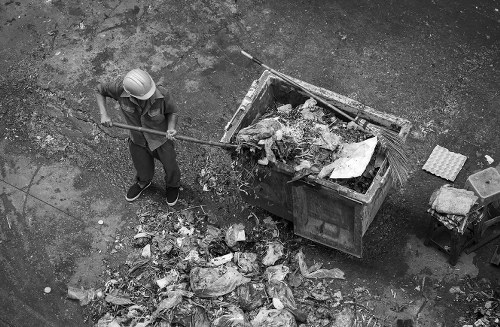 This policy sets out the health and safety principles and safe working standards for our commercial waste removal operations in and around Hampstead. It outlines responsibilities, risk-control measures and the safety culture expected of every employee and contractor engaged in commercial waste removal Hampstead services. The aim is to protect people, property and the environment while delivering reliable rubbish collection and commercial rubbish removal services.
Scope and Responsibilities
All staff, sub-contractors and management involved in commercial waste collection and disposal must be familiar with and adhere to this policy. The management team is responsible for setting direction and providing resources, while supervisors and crew leaders ensure safe systems of work are followed on site and in transit. Individual workers have a duty to work safely, report hazards and refuse to undertake unsafe tasks. The policy covers safe lifting, vehicle operations, waste segregation and handling of potentially hazardous materials.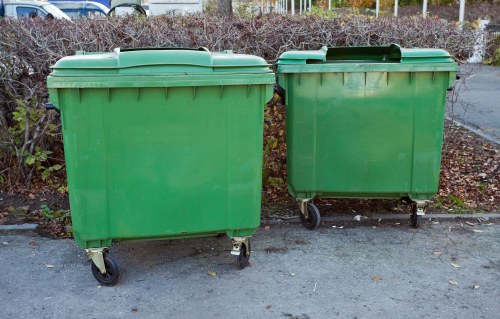 Risk assessment is a core requirement for every job. Before collection, crews must review site conditions, access, pedestrian interaction and any unusual waste types. Assessments should:
- identify hazards and the persons at risk;
- define control measures and required personal protective equipment (PPE);
- record any special instructions for bulky or hazardous waste.
Vehicle and equipment safety are essential. Vehicles used for commercial waste removal should be maintained under a documented inspection and service regime. Drivers must hold the appropriate licences and be trained in load security, reversing procedures and safe operation of tail-lifts or compactors. A pre-start vehicle check should be completed at the beginning of each shift and any defects reported immediately. Good housekeeping on vehicles reduces slip and trip risks and helps prevent load shifting during transit.
PPE, Manual Handling and Site Procedures
Personal protective equipment must be provided and worn where risks cannot be controlled by other means. Typical PPE for rubbish removal crews includes high-visibility clothing, safety boots, gloves suited to the waste type and eye protection where required. Manual handling should be minimised by using mechanical aids or team lifts where practicable. Ensure that staff use correct lifting techniques and receive training on ergonomics to reduce musculoskeletal injuries. The following minimum standards apply:- PPE deployment: mandatory use where identified by risk assessment;
- Mechanical aids: trolleys, sack trucks and lifting attachments to be used whenever possible;
- Segregation: clear separation of general refuse, recyclable materials and hazardous items.
Handling of hazardous or specialist wastes must follow classification, labelling and containment requirements. Items such as batteries, fluorescent tubes, electronic equipment and contaminated materials require segregation and may need specialist carriers and permits. Crews must not accept unknown substances without prior verification. In cases where segregation is incomplete at source, the team should isolate the waste and seek guidance from supervisors to ensure safe transfer and disposal.
 Emergency procedures and incident management are mandatory components of this policy. All incidents, near misses and injuries must be reported immediately and recorded. Supervisors are required to investigate serious incidents, identify root causes and implement corrective actions. Fire response plans, spill containment measures and first aid arrangements must be available at operational depots and communicated to crews. Regular drills and training refreshers help maintain readiness.
Monitoring, review and continuous improvement are central to effective health and safety performance. Routine site inspections, vehicle audits and safety meetings should feed into a formal review process. Performance indicators might include incident rates, audit findings and completion of training. Management will periodically review this policy to reflect changes in legislation, technology or operational practice. The organisation commits to adequate resourcing for training, equipment and supervision so that safety standards are maintained.
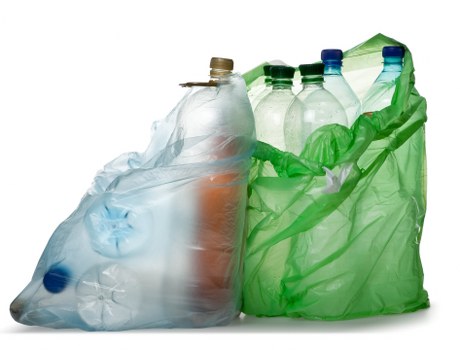 This policy underscores a clear commitment to safe commercial waste services. Everyone involved in waste collection, from planning through to final disposal, must prioritise safety, environmental protection and regulatory compliance. By working together—management, supervisors and crews—our rubbish removal and waste collection operations will continue to serve customers effectively while minimizing risks to people and the environment. Please refer to on-site documentation for procedural details and specific job risk assessments; all staff are expected to apply these standards consistently and to seek guidance where uncertainty exists.
