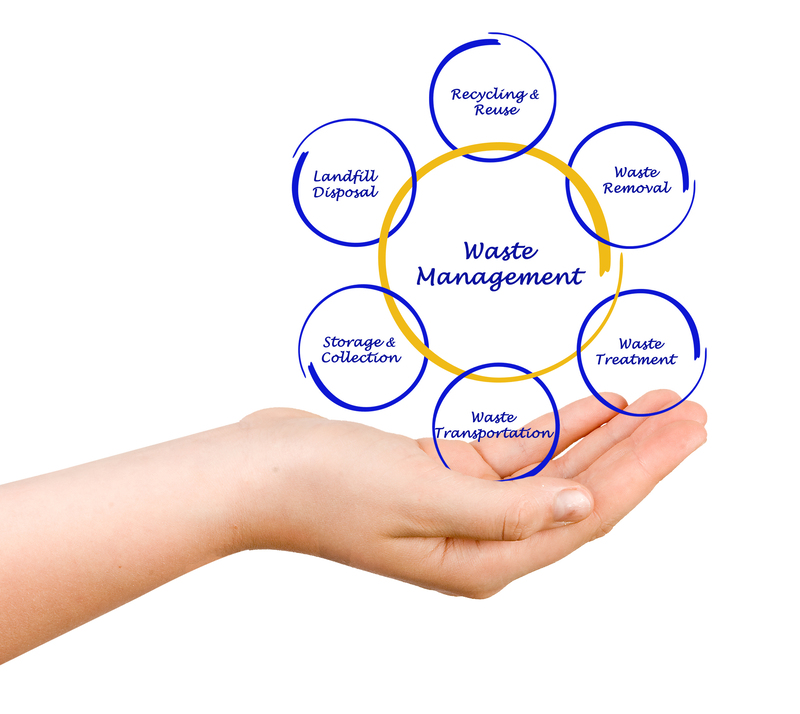
Revolutionizing Waste: New Trends in Cardboard Disposal
Revolutionizing Waste: New Trends in Cardboard Disposal
You can almost smell the cardboard dust in the air after a big delivery. Boxes stacked by the door, tape clinging to your fingers, and that slight sense of guilt about where it all will end up. Cardboard is everywhere--from online shopping to office supplies--and, to be fair, it's not going away. The good news? The way we deal with it is changing, fast. This is the moment for Revolutionizing Waste: New Trends in Cardboard Disposal. Smarter systems, better tech, simpler routines. Clean, clear, calm. That's the goal.
In this comprehensive guide, we walk you through the latest in cardboard recycling, reuse, and recovery--from AI-powered sorting to smart balers, from local collection best practices to UK compliance details you really shouldn't miss. Whether you're a facilities manager trying to reclaim storage space, a sustainability lead looking to hit ambitious ESG targets, or a household staring at a mountain of packaging after a weekend clear-out--this is for you.
We'll share practical steps, expert tips, a human-scaled case study, and the legal essentials (including UK rules) so you can avoid costly mistakes. In our experience, once you put a simple system in place, the mess just... goes. And the savings add up quicker than youd think.
One small promise before we begin: this isn't another bland recycling post. It's a grounded, human guide shaped by real-world trials and small details--the tape that jams a baler, the rainy-day delivery that soaks half your stockroom, the quiet satisfaction of seeing a neat bale ready for collection. Youll see why.
Table of Contents
- Why This Topic Matters
- Key Benefits
- Step-by-Step Guidance
- Expert Tips
- Common Mistakes to Avoid
- Case Study or Real-World Example
- Tools, Resources & Recommendations
- Law, Compliance or Industry Standards (UK-focused)
- Checklist
- Conclusion with CTA
- FAQ
Why This Topic Matters
Cardboard--specifically old corrugated containers (OCC)--is the backbone of modern packaging. With e-commerce growth and home deliveries surging over the past few years, cardboard volumes have climbed in homes and businesses alike. In the UK and EU, recovery rates for paper and cardboard packaging often exceed 70%, and in some local programs even higher. But--there's still a gap. Contamination, poor storage, and broken collection processes leak value. Good material ends up in general waste, and that's a costly miss for budgets and the planet.
Here's the shift: Revolutionizing Waste: New Trends in Cardboard Disposal isn't just about recycling more. It's about redesigning how cardboard flows through your spaces. Smart bins that signal when they're full. AI optical sorters at materials recovery facilities that recognise contamination and grade quality in seconds. Decentralised baling that cuts transport emissions. Even small behaviour changes--like removing sticky labels or keeping boxes dry--can lift the quality grade and fetch better rebates (or at least lower your collection fees).
There's also a wider context. Many UK organisations now report against ESG frameworks, with scope 3 emissions and waste reduction under sharper scrutiny. Cities aim for circular economy targets. And customers--well, they notice when your back-of-house looks like chaos and when it doesn't. One manager in South London told us how a tidy cardboard station instantly improved morale. The team stopped tripping over boxes. They were proud of the quiet order. It matters more than it seems.
And we should say it plainly: cardboard recycling is one of the simpler wins on the sustainability list. It's visible. Measurable. Genuine. Do it right and you lower costs, cut carbon, and keep materials in loop. Do it poorly and you pay twice: once for disposal, again in lost material value.
Key Benefits
When you adopt new trends in cardboard disposal--combining tech, training, and tidy routines--you gain real advantages:
- Cost control and savings: Flattening and baling cardboard reduces bin lifts, transport costs, and landfill taxes. Rebates for clean OCC may apply depending on market rates.
- Space reclaimed: Neatly flattened boxes or compact bales free up precious storerooms and back-of-house corridors. That matters in tight city sites.
- Lower carbon footprint: Efficient collection schedules, reduced contamination, and fewer truck trips lower emissions across the chain.
- Compliance confidence: Better processes make it easier to meet UK Duty of Care, maintain Waste Transfer Notes, and follow the waste hierarchy.
- Brand & customer trust: A tidy, visible system sends a message--this business cares about doing things right. People notice. Staff do too.
- Data for decision-making: Smart bins and weigh-scale balers provide real metrics, letting you tweak routes, negotiate pricing, or prove ESG progress.
- Resilience in volatile markets: Cardboard prices move. Clean, well-graded material gives you options--rebates when markets are strong, and lower costs when they're not.
Small moment: a bar manager in Leeds once said the best change wasn't the savings; it was walking in on a busy Friday and not seeing a wall of boxes by the cellar door. Safety and sanity in one go.
Step-by-Step Guidance
Let's get practical. Whether you're a household, a cafe, or a warehouse, the steps below scale up or down. Start simple, then add tech and training as needed.
1) Sort at the source
- Separate cardboard immediately from general waste. Keep it dry--moisture downgrades quality and adds weight (you pay for that).
- Remove obvious contaminants like food, plastic liners, and bubble wrap. A quick tear-out goes a long way.
- Designate a clearly signed area for cardboard--eye-level signage beats a memo every time.
Micro moment: It was raining hard outside that day. A bakery in Hackney put out a cheap tarp over their cardboard station. Soggy boxes? Problem solved. Sometimes it's that simple.
2) Flatten and stack
- Flatten boxes fully. Slice tape along the seams, push flat, stack by size. This reduces volume by up to 80-90% before baling.
- Keep stacks neat and off the floor (pallet or rack). That keeps them dry and easy to move.
3) Choose the right container or baler
- Small sites / households: Use a dedicated wheelie bin or reusable sacks kept indoors or under cover. Label it "Cardboard Only".
- Medium sites: Consider a vertical baler. They're compact, safe with training, and build dense bales for collection.
- High-volume operations: A horizontal baler (manual or auto-tie) or a compactor may be worthwhile. Pair with a loading bay workflow to avoid double handling.
4) Prep for collection
- Set a collection schedule that fits your volume. Weekly is fine for many SMEs; daily for busy warehouses; fortnightly for smaller offices.
- Keep a simple log of bales produced (date, weight, grade) to track trends and costs.
- Never stack bales higher than recommended; use strapping or wire rated for the bale size.
5) Quality control
- Adopt standards like EN 643 (European List of Standard Grades of Paper and Board for Recycling). For OCC, aim for low outthrows and minimal moisture.
- Train staff: no food-soiled card, no wax-coated fruit boxes (unless your collector accepts them), and remove heavy tape and labels when practical.
6) Data and optimisation
- Use smart sensors on bins to monitor fullness. This cuts missed lifts and overflows.
- Weigh bales. Correlate with delivery volumes to spot unexpected spikes or contamination issues.
- Share data with your recycling partner to improve routes and secure better pricing.
7) Reuse and reduce
- Set aside clean, sturdy boxes for reuse--product returns, internal moves, or local community swaps.
- Households: repurpose for storage, moving, or compost (as "brown" carbon material) in small pieces, avoiding glossy or heavily inked board.
- Challenge purchasing: can you specify right-sized packaging, or switch to FSC-certified, recycled-content board? Better in, better out.
And breathe. It doesn't have to be perfect. Even a few of these steps will raise your cardboard game.
Expert Tips
- Keep it bone dry: Moisture increases weight, reduces material grade, and can cause mould. If storage is outside, use covered bins or a canopy.
- Cut, don't rip: A simple safety knife speeds flattening and reduces annoying loose fibres that jam balers.
- Right strap, right bale: For vertical balers, choose strapping width and tensile strength matched to bale size. Wire for heavy bales; PET strap for medium.
- Label the no-list: Waxed produce boxes, food-soiled pizza boxes, and beverage cartons (unless your collector takes them) should be separated.
- Batch by grade: If you process a lot, keep OCC separate from mixed paper. Clean mono-streams earn better rebates.
- Safety first: Train operators on balers and keep clear of moving parts. Never bypass interlocks. Ever. Yeah, weve all been there--but don't.
- Lean flow: Place the baler close to where boxes arrive. Every extra 10 metres walked adds time and tired feet.
- Use EN 643 language: When negotiating, refer to grades and outthrow limits. It signals you know your stuff and protects bale value.
- Seasonal surge plan: Christmas peaks? Agree on temporary extra collections or a hired baler well in advance.
- Tell the story: Share a quick "here's where our cardboard goes" update with staff or customers. Behaviour improves when people understand the loop.
Small human aside: a cafe in Bristol handwrote a sign--"Your flat box = one less truck trip." It wasn't strictly accurate math, but the crew started flattening every time. Job done.
Common Mistakes to Avoid
- Letting boxes get wet: The fastest way to ruin good fibre and lose rebates. Keep storage covered.
- Overfilling bins: Leads to litter, safety hazards, and extra charges.
- Mixing food waste and card: Contamination happens quickly--especially with takeaway boxes. Keep streams separate.
- Ignoring tape and labels: Some is fine, but heavy plastic tape harms quality and can jam equipment. Remove the worst offenders.
- No training plan: Staff churn is real. A 10-minute induction on cardboard handling pays for itself.
- Wrong equipment sizing: A tiny baler for a huge warehouse? False economy. Match kit to throughput.
- Not tracking data: Without weights and collections data, you can't optimise or negotiate effectively.
- One-size-fits-all collections: Routes should flex to your volumes. If your bins are always half-empty or constantly overflowing, reschedule.
- Skipping safety: Unsecured bales topple. Always strap properly and respect safe stacking heights.
- Assuming recycling is guaranteed: If contamination is high, some loads may be rejected. Quality control is your insurance.
Truth be told, most mistakes aren't dramatic. They're little daily habits. Fix a few and the system clicks.
Case Study or Real-World Example
Composite case study (UK retail + hospitality)
To protect confidentiality, this is an anonymised, composite example based on three small-to-medium businesses in London and the Midlands. The numbers are realistic ranges we see often.
Scenario: A neighbourhood grocery in East London, a busy cafe near a rail station, and a specialty e-commerce warehouse in the West Midlands were each struggling with cardboard overflow. Boxes piled beside fire exits, soggy stacks after rain, and unpredictable collection costs. Staff were frustrated. Managers were paying for too many lifts.
Changes introduced:
- Dedicated indoor cardboard stations with clear signage; a simple tarp for the cafe's small external yard.
- Basic training: flattening method, contaminant "no-list," and a quick 3-minute briefing for new starters.
- Vertical balers for the grocery and warehouse; reusable sacks and weekly collection for the cafe.
- Logbook for bale counts and estimated weights; quarterly check-ins with the recycler to adjust frequency.
Outcomes (typical ranges):
- Volume reduction in bins: 70-90% after flattening/baling.
- Collection frequency: from twice-weekly to weekly for the grocery; from ad hoc to scheduled weekly for the cafe; from daily bin lifts to two baled collections per week for the warehouse.
- Cost impact: net savings of 15-30% on cardboard-related waste costs, depending on market prices and avoided lifts.
- Safety and workflow: fewer blocked exits; improved back-of-house flow (managers noticed the difference, big time).
One manager described the change on a rainy Thursday: "For once, no soggy boxes, no frantic phone calls to the haulier. Just a neat bale, strapped and ready. Felt good." Small win, but it sticks.
Tools, Resources & Recommendations
Revolutionizing Waste: New Trends in Cardboard Disposal is practical when you've got the right kit and guides. A few tried-and-true tools:
Hardware
- Vertical balers: Perfect for SMEs. Check bale size, bale weight, safety interlocks, and ease of tie-off.
- Horizontal balers: For high throughput or continuous feeding. Auto-tie versions reduce labour; ensure adequate floor space and power.
- Compactors: Useful when there's a mixed waste stream and limited on-site sorting. Not ideal if you want clean OCC rebates.
- Smart sensors: Ultrasonic or weight-based bin sensors with dashboards to improve collection timing.
- Moisture protection: Covered cages, canopies, pallets, and simple tarps to keep card dry.
- Safety gear: Gloves, safety knives, eye protection for baling operations. Train, sign, and supervise.
Software & Data
- Route optimisation & scheduling: Even small fleets can benefit. For customers, request flexible schedules based on sensor data.
- Weigh-scale integration: Balers with integrated scales or portable pallet scales provide accurate reporting.
- Dashboards: Track bales, moisture incidents, contamination notes, and volumes recovered. Turn anecdotes into data.
Standards & References
- EN 643 for paper and board recycling grades.
- ISO 14001 for environmental management systems (useful for larger organisations).
- WRAP guidance on the waste hierarchy and recycling best practice (UK).
- Environment Agency for waste carrier registration and Duty of Care guidance.
- Ellen MacArthur Foundation for circular economy principles and case studies.
Pro tip: ask your recycler which specific grades they want and their outthrow tolerance. Speaking their language speeds everything up.
Law, Compliance or Industry Standards (UK-focused if applicable)
This section is not legal advice, but it points you to the essentials for UK compliance. The regulatory landscape is clear on one thing: apply the waste hierarchy and handle waste safely.
Core regulations and principles
- Environmental Protection Act 1990 (EPA 1990): Sets the Duty of Care for waste. You must store, transport, and dispose of waste safely and legally.
- Waste (England and Wales) Regulations 2011: Embeds the waste hierarchy: prevent, reduce, reuse, recycle, recover, then dispose.
- Waste Duty of Care Code of Practice: Keep waste secure, use licensed carriers, and retain correct documentation.
- European Waste Catalogue (EWC) codes: Paper and cardboard packaging often falls under 15 01 01. Using correct codes supports proper classification.
- Waste Transfer Notes (WTNs): Required for each transfer of non-hazardous waste; keep records for at least two years (often longer for audits).
- Waste Carrier, Broker, Dealer registration: Anyone transporting or arranging waste collections must be registered with the Environment Agency (or equivalent in Scotland/NI).
Packaging producer responsibility
- Producer Responsibility Obligations (Packaging Waste) Regulations 2007 (as amended): Businesses over certain thresholds must take responsibility for the packaging they handle, often via PRNs (Packaging Recovery Notes).
- Extended Producer Responsibility (EPR) Reform: The UK is moving toward EPR for packaging, shifting more costs to producers and rewarding recyclable materials like cardboard. Check current DEFRA guidance for roll-out timelines and reporting duties.
Storage and safety
- Fire safety: Cardboard is combustible. Follow premises fire risk assessments; keep exits clear; avoid large accumulations without controls.
- Manual handling: Train staff to avoid strain when flattening or moving bundles and bales.
- Equipment safety: HSE guidance applies--guards, interlocks, training, and maintenance logs for balers/compactors.
Standards and best practice
- EN 643 for recovered paper grades and quality requirements.
- BS 5906 (waste management in buildings) for planning storage and collection systems in larger premises.
- ISO 45001 for occupational health and safety management if your operation is sizeable.
UK note: if you operate across England, Scotland, Wales, and Northern Ireland, requirements can vary slightly. Keep a simple compliance checklist per site to avoid surprises.
Checklist
- Set up: Clear signposting, covered storage, and a designated cardboard area.
- Training: 10-minute induction; contamination no-list; flattening tips; safety reminders.
- Equipment: Baler or bins matched to volume; safe tools; PPE; moisture protection.
- Quality: Keep it dry; remove heavy tape; separate OCC from mixed paper if possible.
- Scheduling: Collections or bale pick-ups that match your flow; seasonality plan.
- Documentation: WTNs, waste carrier licence checks, record keeping (2+ years).
- Data: Bale counts, weights, contamination notes; review quarterly.
- Improvement: Reuse where possible; engage staff; adjust equipment if volumes change.
Ever tried clearing a room and found yourself keeping everything "just in case"? Cardboard systems are the opposite: simple rules, clear flows, and out it goes--clean and ready for the next life.
Conclusion with CTA
Revolutionizing Waste: New Trends in Cardboard Disposal isn't theory; it's a set of small, practical moves that make your space calmer, your costs lower, and your footprint lighter. We've seen shops reclaim back rooms, warehouses cut lifts in half, and households feel oddly proud strolling out with a crisp stack of flattened boxes. It's everyday sustainability--and it works.
Start with the basics: keep it dry, flatten everything, train quickly, and track what you do. Add a sensor or a baler when the numbers make sense. Keep the story human. And, to be fair, enjoy the neatness--it's its own reward.
Get a free quote today and see how much you can save.
One last thought before you go: the quiet satisfaction of a tidy corner where chaos used to be--it's worth chasing.
FAQ
What counts as clean cardboard for recycling?
Clean cardboard (often OCC) is dry and free from food residues, oils, or heavy contamination. A bit of tape or labels is usually fine. Avoid waxed or plastic-coated board unless your collector accepts it.
Can I recycle pizza boxes with grease?
Lightly stained areas may be acceptable to some schemes, but heavily greased boxes should be composted (in small pieces) or placed in general waste if your local program doesn't accept them. Always keep recycling streams free of food residues.
Do I need a baler, or will bins do?
It depends on volume and space. Small sites and households can use dedicated bins or sacks. If you produce multiple wheelie bins of cardboard weekly, a vertical baler often pays back through reduced lifts and tidier storage.
How do smart sensors help with cardboard disposal?
Bin sensors track fill levels and can trigger collections when needed, reducing overflows and unnecessary pickups. For larger sites, they feed dashboards that help optimise routes and costs.
What is EN 643 and why should I care?
EN 643 is the European standard for paper and board recycling grades. Using these grades (e.g., OCC) and meeting quality limits for outthrows improves acceptance and pricing when selling or sending material to processors.
Is soaked or rain-damaged cardboard still recyclable?
Sometimes, but it's often downgraded or rejected due to moisture and fibre damage. Keep card under cover. If it's heavily saturated and mouldy, it may need to go into general waste or be air-dried if practical.
Can cardboard be composted at home?
Yes, in moderation. Shred or tear into small pieces and mix as a "brown" (carbon) layer with kitchen scraps ("greens"). Avoid glossy or heavily printed board, and don't compost anything with food grease or chemical residues.
What documentation do I need for UK compliance?
Keep Waste Transfer Notes (WTNs) for each transfer, use correct EWC codes (e.g., 15 01 01 for cardboard packaging), and ensure your carrier is registered with the Environment Agency. Retain records for at least two years.
How many times can cardboard be recycled?
Fibres shorten with each cycle, but cardboard can typically be recycled several times. Adding some virgin fibre keeps the loop strong. Quality in equals quality out.
Does removing tape really matter?
Removing excessive plastic tape helps maintain quality and prevents equipment jams. You don't need to be perfect--a quick tear of the worst bits is enough for most streams.
What's the difference between a baler and a compactor?
Balers compress material into tied bales for recycling (ideal for OCC); compactors compress mixed waste into a container to reduce volume. If you want rebates and clean streams, balers are usually the better choice for cardboard.
Are there safety concerns with storing lots of cardboard?
Yes. Cardboard is combustible and can block exits. Follow your fire risk assessment, keep routes clear, and don't stack bales or bundles beyond safe heights. Train staff in manual handling and baler safety.
Will Extended Producer Responsibility (EPR) change cardboard disposal?
Likely yes over time. EPR aims to shift more costs to producers and reward recyclable materials like cardboard. Expect improved collection consistency and more emphasis on clean, high-quality streams.
How can small businesses keep cardboard dry without much budget?
Use simple solutions: a covered corner inside, a pallet to raise stacks off the ground, and a low-cost tarp or pop-up canopy outside. Even a small change prevents big moisture issues.
Can coloured inks on boxes cause recycling problems?
Most modern inks are water-based and acceptable. Very glossy or heavily laminated finishes are more of a problem. When in doubt, check with your collector's guidelines.
What's a realistic way to track savings?
Log your bale weights and collection counts for a month before and after changes. Compare lift frequency, contamination incidents, and any rebates. Share the results with your team--motivation matters.
Is it okay to store bales outside?
Only if covered and off the ground. Moisture wicks up from concrete; use pallets and waterproof covers. Better yet, store indoors if space allows.
Any quick household hacks to cut cardboard clutter?
Flatten boxes immediately, keep a dedicated spot near the door, and set a routine "recycling run" day. Use a safety knife for quick breakdowns. Simple, repeatable, done.
Revolutionizing Waste: New Trends in Cardboard Disposal doesn't have to be grand. It's daily habits, a few smart tools, and the relief of a space that finally works for you.